


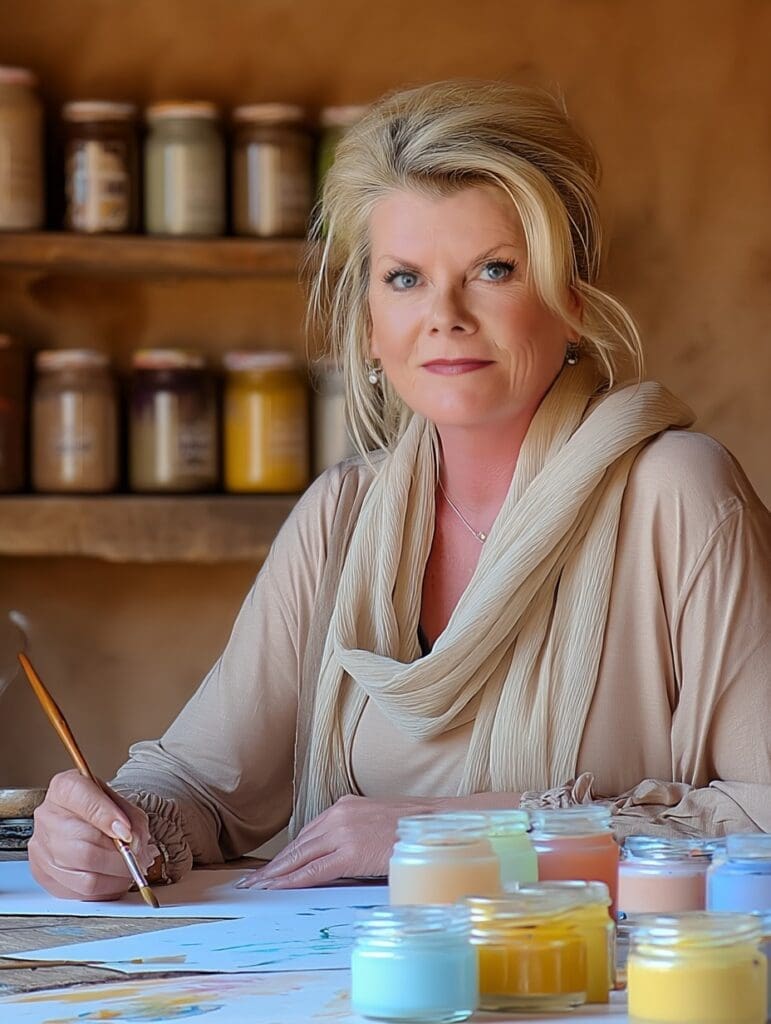
We often hear that novelty boosts curiosity, but research now suggests it may also support cognitive health. A longitudinal study in Innovative Aging found that later-life learning, through education or training, was linked to better cognitive function over time in older adults. Those who regularly participated in learning activities had cognitive performance similar to that of people nearly 6 years younger, even after accounting for other health and lifestyle factors.
https://lnkd.in/g3mRzX9v
The power is in the visible progress.
Whittling a simple utensil.
Sketching the same object each morning for a week.
Learning one function of a digital tool you already own.
These small, tangible outcomes give daily feedback. You can watch yourself improve enough to stay curious without pressure.
This isn’t about mastery.
It’s about ongoing engagement.
When we practice skills that stretch our brains a bit, routines feel fresher. Attention sharpens. Presence deepens. Instead of feeling like life is settling, it feels like something we are still actively participating in.
One of the quieter truths of longevity is this.
We do not stop learning because we age.
We age better when we keep learning.


SHOP
Fitbit Versa 2 Health & Fitness Smartwatch

SHOP
Bamboo Nesting storage boxes

SHOP
Ilia Super Serum Skin Tint SPF 40

SHOP
Ninja Max XL Electric Air FryeR

SHOP
Cuisinart 15-Piece Knife Set with Block

SHOP
Muse Bath Apothecary Hand Ritual

SHOP
Martha Stewart 100% Cotton Bath Towels

SHOP
Eozlink Fluffy Fur Slides


Business

Homesteading

Living

Fashion

Beauty
Leave a Reply
Watch me clean my home
